Metal Roofing Contractor in Gainesville, FL
Metal roofing installation, replacement, and repair for homes and businesses in Gainesville, Alachua County, and the surrounding areas. Free written estimates included.
All Roofing Needs Served
Gainesville homes and businesses face daily summer storms, a long cooling season, and hurricane-season winds each year. Metal roofing is built to handle these conditions. We install, replace, and repair metal roofing systems across Gainesville, Alachua County, and the surrounding areas. We also provide a free roof inspection and a written estimate before any work begins.
Commercial
Large commercial roofs expand and contract with Florida's heat, and heavy rain adds stress at drains and seams. Metal roofing manages both, which keeps maintenance costs down over the building's life.
Residential
A roof is one of the largest investments in a home. Metal roofing gives Gainesville homeowners wind resistance and a 40 to 70-year lifespan, with lower upkeep along the way.
Installation
We measure, fabricate, and install metal roofing to manufacturer specifications and Florida Building Code requirements, and we walk property owners through material options before any panel goes on the roof.
Replacement
A roof nearing the end of its life sheds water less effectively and holds up worse in wind. We remove the old system, inspect the deck underneath, and install a new metal roof suited to Gainesville's weather.
Repair
A loose panel, a failed seal, or a backed-out fastener is usually where a roof leak starts. We find that point, repair it, and check the rest of the roof so it doesn't show up again somewhere else.
Commercial Metal Roofing
Large commercial roofs go through a lot of expansion and contraction as temperatures shift throughout the year. Combined with Gainesville’s heavy rain, that movement puts extra strain on seams, flashing, and rooftop equipment over time. We plan the roofing system around this, choosing panel profiles and installation methods that hold up under repeated stress instead of failing early. We also plan commercial roofing work carefully to reduce interruptions to your daily operations, so your business, employees, and customers aren’t disrupted longer than necessary. Every commercial project starts with a free written estimate covering drainage, flashing, and wind rating, so there are no surprises once work begins.
Residential Metal Roofing
Most residential property owners calling us have one of two priorities: lower cooling bills, or a roof that survives hurricane season without repeat repairs. Sometimes both. Many Gainesville homeowners in areas with mature trees, older homes, or long summer heat turn to metal roofing for that reason. Our team reviews attic ventilation and roof pitch early on, since a gable roof and a hip roof handle panel layout differently. From there, we help homeowners compare standing seam, steel, aluminum, and Galvalume based on their home, their budget, and how long they plan to stay in it, with no pressure to decide on the spot.
Metal Roof Installation
One mistake we often see is choosing a metal roof based only on upfront price, without factoring in how it's installed. How a roof goes on matters more than which material sits on top of it. Before installation, our team inspects the roof deck and sheathing for soft spots, since panels fastened over weak decking loosen faster and lead to leaks down the road. From there, synthetic underlayment, drip edge, and flashing go in before a single panel is set. Panels go on according to manufacturer specifications and Florida wind standards, which helps your roof stay secure during Gainesville's strongest storms. Permit handling and a final inspection are included, so you're not left managing that part alone.
Metal Roof Replacement
Most replacement calls come from roofs with failed flashing, worn fasteners, or a deck that’s absorbed moisture over years of small, unnoticed leaks. Once the old roofing comes off, we examine the deck and sheathing before installing anything new, since damage underneath often stays hidden until tear-off exposes it. If we find soft or rotted decking, we fix it before the new roof goes on. We don’t cover a problem with new panels and call it done. Replacement is also a chance to upgrade ridge ventilation and underlayment to current standards, so the new roof performs better than the one it’s replacing.
Metal Roof Repair
A single leak rarely means the whole roof needs replacing. During the assessment, we review the full roof before repairing a specific spot, since water often travels before it shows up on a ceiling. Common causes we find include a lifted seam, a cracked pipe boot, or a fastener that worked loose over time. If a property has several active leaks or the roof is aging out, we'll say so directly. We'd rather tell a client the honest picture than sell a replacement that isn't needed yet.
Aluminum Roofing
For Gainesville residential and commercial properties surrounded by mature trees, aluminum often deserves consideration. Dense oak canopy traps moisture from leaves and moss against the roof, which speeds up rust on lower-grade steel panels. Aluminum doesn't rust easily, so it holds up well in that kind of environment without added upkeep. It's often a strong choice for shaded, tree-heavy lots. On open, sun-exposed properties, steel or Galvalume may be the more practical and cost-effective option instead.
Copper Roofing
Copper roofing is usually chosen for historic homes and premium architectural projects, not as a default for a standard reroof. It develops a natural patina over years of weather exposure, which changes its color without weakening the material underneath. Copper costs more upfront than steel or aluminum, and we say that plainly before a property owner commits to it. It fits best when architectural character is part of the decision, not just roof performance.
Corrugated Metal Roofing
Sheds, barns, and outbuildings on larger Alachua County properties don't need the same roofing system as a house. Corrugated and ribbed metal panels give these structures a rigid, wind-resistant surface at a lower cost, which fits simpler building designs well. It's usually not the first choice for finished residential homes, where appearance and interior insulation carry more weight. Installation is quicker and more affordable than a full home roofing system, which makes it a practical option for outbuildings that still need real weather protection.Galvalume Roofing
Cost and longevity don't always move together, but Galvalume gets close. Its aluminum-zinc coating over steel resists corrosion noticeably better than plain galvanized steel, at a similar price point. It's often a good fit for people who want long-term durability without moving into premium materials like copper. Before installation, our team inspects the roof deck for existing moisture damage, since Galvalume performs best over a dry, sound surface.
Galvanized Roofing
Many people don't realize how much roofing material affects long-term maintenance until a few years in. Galvanized steel remains one of the more affordable metal roofing options, and it can perform well when installed correctly. That means proper drip edge, flashing, and fastening, not just the panels themselves. We're upfront that galvanized panels tend to show wear sooner than Galvalume or aluminum on humid, tree-covered lots. It's a reasonable choice on the right property, and we'll say so when it's the right fit.Metal Shingle Roofing
Some homeowners want a metal roof's durability without changing how their home looks. Metal shingles solve that by mimicking a traditional shingle profile while offering stronger wind resistance than many traditional asphalt shingle systems when properly installed. They install in interlocking sections rather than long panel runs, which changes the pace of installation and how future repairs are handled. It's a common request from building owners in more traditional or historic-style neighborhoods.
Sheet Metal Roofing
Many property owners don't realize their roof material affects cooling costs until their first full summer under the new roof. Sheet metal roofing reflects solar heat rather than absorbing it, which eases the load on your air conditioner and can lower energy bills. Some manufacturers add Energy Star-rated, reflective coatings that improve this effect further. Panel thickness matters too — thicker gauge panels are usually selected for buildings that need extra durability, like commercial properties or homes in higher-wind areas.Standing Seam Metal Roofing
Leak prevention is usually the deciding factor for people who choose standing seam. Its concealed fastener design keeps screws hidden under the seam instead of exposed on the panel face. That means fewer exposed screws that can loosen over time, reducing a common leak point building owners deal with years after installation. We pair standing seam with a matched gutter system at the eaves, since it changes how water drains off the roof. It's often the system we recommend when a property manager's main concern is fewer callbacks over the years, not just upfront cost.
Steel Roofing
Hurricane-season wind gusts test a roof's strength directly, and steel handles that well. Many owners choose steel because it offers a balance of durability, appearance, and cost that's hard to match. How long it lasts depends heavily on the protective coating, since bare steel rusts quickly in Florida's humidity. During the consultation, we review coating quality before recommending steel over aluminum or Galvalume, particularly on open properties with less tree cover, where sun and rain exposure run higher.
Tin Roofing
What most people call "tin roofing" today is actually coated steel, not tin, and we clarify that upfront. Current tin-style panels include rust-resistant coatings that outperform older, uncoated versions from decades past. We usually discuss tin-style roofing with building owners who want a traditional metal appearance, rather than a specific material. Attic ventilation matters more here than property managers expect — without it, heat buildup under the roof can shorten the coating's life faster than the metal itself would wear.
Gutter Installation
An undersized gutter system is a common issue we find on older Gainesville homes and commercial buildings, where rainfall volume has outpaced what the original gutters were built for. Gutters work together with a roof's drip edge to move water away from the fascia, soffit, and foundation, so sizing them to the roof matters as much as the roof itself. Different panel styles also drain differently at the edge, which is something our team accounts for when installing a new gutter system. We also install leaf guards on request, for people looking to cut down on gutter cleaning under heavy tree cover.
Gutter Repair
A gutter that's pitched incorrectly will keep failing even after a patch repair, so we assess slope and support before fixing anything. Sagging sections, pulled brackets, and clogged runs all reduce how well water moves off the roof. Left alone, poor drainage at the edge leads to rot and water intrusion, which turns a small gutter problem into a roofing problem.
Skylight Installation
A skylight sits at a roof penetration, meaning a spot where something passes through the roof surface, similar to a vent or pipe. Most skylight leaks trace back to flashing or sealant at that point, rather than the glazing itself. The flashing around a skylight needs to match the surrounding roof so the seal blends into the roof's existing water-shedding path, rather than fighting against it. Before cutting into the roof, we examine the framing and space around it, so the skylight fits properly from day one.Skylight Repair
When a skylight leaks, the glazing is rarely the actual problem. During the assessment, our team reviews the flashing, sealant, and surrounding panel seams first, since most repairs come down to resealing a worn transition or replacing damaged flashing. A leak at one roof penetration, such as a skylight or vent, sometimes points to wear building up at other penetrations nearby, so we check those while we're up there.
Why Gainesville Property Owners Choose Metal Roofing
Most home and business owners don’t wake up thinking about roofing materials. They think about it when a shingle roof fails years earlier than expected, or after a storm leaves shingles scattered across the yard. Asphalt shingles in Gainesville typically last 15 to 20 years, sometimes less under heavy tree cover or repeated storm exposure. That shorter cycle is often what starts the conversation about metal roofing as a smarter, longer-term choice.
Built to Handle Gainesville’s Daily Summer Thunderstorms
Summer in Gainesville brings afternoon thunderstorms most days, and North Central Florida sees some of the heaviest seasonal rainfall in the state. A roof that holds water, even briefly, is a roof at risk. Metal panels shed water quickly, keeping it moving off the roof instead of pooling at seams or valleys. By reducing prolonged moisture exposure, metal roofing remains a durable solution for Gainesville’s wet climate.
Managing Roof Debris from Gainesville’s Iconic Tree Canopy
Mature live oaks shade much of Gainesville, and that canopy comes with a tradeoff: leaves, pine needles, acorns, small branches, and Spanish moss collect on the roof year-round, especially heading into pine pollen season each spring. Left sitting on a shingle roof, that debris traps moisture underneath it, which is exactly the kind of slow, hidden damage that leads to curling, granule loss, and rot on a traditional shingle roof. Metal’s smooth, sloped surface makes it harder for debris to hold in place, which cuts down on trapped moisture and makes routine roof cleaning simpler.
Staying Comfortable Through Gainesville’s Long Cooling Season
North Central Florida summers run long, hot, and humid, which means air conditioners work overtime for months at a stretch. That humidity brings a second concern beyond heat: condensation. Without adequate attic ventilation, moisture can build up under a roof deck over time, creating the kind of damp, hidden environment that leads to rot and corrosion. Metal roofing reflects a substantial share of solar radiant heat instead of absorbing it, and when paired with proper attic ventilation, it helps manage both heat and moisture at once. Many people see the difference most clearly in their first full summer under a new metal roof, when cooling costs come in lower than they expected.
Engineered for Hurricane Season and Strong Winds in Alachua County
Alachua County sees tropical storm activity most years, and occasional hurricane impact. Wind gusts during these events put direct pressure on a roof’s weakest points — loose shingles, exposed fasteners, and poorly sealed penetrations. Metal roofing systems are wind resistant and hurricane rated, secured with fastening methods designed to improve uplift resistance. Proper flashing around chimneys, vents, skylights, and other penetrations closes off the gaps where wind-driven rain typically finds its way in.
Metal Roofing That Fits Gainesville’s Diverse Home Styles
Gainesville’s housing stock varies widely — historic homes in Duckpond, established properties across Northwest Gainesville, newer construction in Haile Plantation and Town of Tioga, and larger rural properties spread throughout Alachua County. Metal roofing comes in enough panel profiles, colors, and finishes to suit any of these, without forcing a person to choose between architectural style and long-term durability.
Built for Decades of Performance in Gainesville’s Climate
Most metal roofing systems carry a service life of 40 to 70 years, depending on the material and system chosen. That’s a substantially longer lifespan than shingle roofing, with less maintenance required along the way. For building owners who’ve already been through one early shingle replacement, that longer cycle is often the deciding factor. Combined with energy savings from reflective properties, metal roofing tends to hold its value well over time for people planning to stay in North Central Florida for the long haul.
Why Property Owners Choose Us in Gainesville for Metal Roofing
Knowing why metal roofing works in Gainesville is one part of the decision. Knowing which local roofing contractor installs it is the other. Here’s what customers can expect when they work with us.
Local Knowledge of Gainesville Roofs and Neighborhoods
We’ve worked on homes and commercial properties across Haile Plantation, Duckpond, Town of Tioga, Northwest Gainesville, Jonesville, and near the University of Florida area, along with rural properties throughout Alachua County. That range matters — an older building in an established neighborhood often needs a different approach than a newer subdivision build or a shaded, tree-heavy rural lot. Familiarity with the roof designs common to each of these areas means fewer surprises once a project is underway.
Metal Roof Installation Focused on Long-Term Leak Prevention
Most roof leaks trace back to installation details that get overlooked: flashing at valleys and roof transitions, drip edge, and the sealing methods used around penetrations. We plan water drainage around these points before a single panel goes on. The payoff shows up years later, not on installation day — it’s the difference between a roof that stays leak-free through a decade of Florida storms and one that needs repeat repairs.
Florida Code-Compliant Metal Roof Installation
Every installation follows Florida Building Code requirements and manufacturer installation specifications, with fastening schedules and underlayment installed the way uplift-rated systems require. Work is kept permit-ready and inspection-ready at each stage. That matters for two practical reasons: it protects the roof’s wind rating, which can affect insurance premium reductions, and it protects you if a future buyer or insurer ever asks for proof the work was done to code.
Precision Roof Measurements and Custom Metal Fabrication
Accurate roof measurements lead to custom-fabricated flashing, ridge caps, and trim built for each roof’s specific transitions and valleys. The benefit isn’t just a cleaner appearance — a tighter panel fit means fewer gaps and seams where water or wind can find a way in, which translates to fewer leak points over the life of the roof.
Complete Metal Roofing Systems Built for Long-Term Performance
A roof is more than its panels. We install matched synthetic underlayment, fasteners, ridge ventilation, and closure strips designed to work together as one system, using manufacturer-approved components rather than mixing incompatible parts. Mixing components is a common shortcut that shortens a roof’s lifespan; a matched system is what actually delivers the 40-to-70-year performance building owners expect from metal roofing. Projects also come with a manufacturer warranty on materials and a workmanship warranty on our installation, so that performance is backed on paper, not just promised.
Clean Job Sites and Respect for Gainesville Properties
A roofing project shouldn’t leave a property worse off than it started. We protect landscaping, flower beds, shrubs, trees, pool enclosures, and driveways throughout the job. Magnetic nail sweeps and daily debris removal keep the site manageable while work is underway, and a final site inspection confirms the property is left clean once the project wraps up.
Responsive Scheduling Throughout Gainesville and Alachua County
Being a local crew means faster scheduling and tighter project coordination, since we’re not routing crews in from outside the area. From the initial consultation through permits, inspections, and project completion, communication stays consistent, so clients always know where things stand.
Simple Maintenance to Protect Your Investment
Metal roofing needs far less upkeep than shingles, but a few habits extend its life even further. We recommend an annual visual inspection, clearing leaves and branches after storm season, checking that gutters stay free of debris, and keeping an eye on fasteners over the years, particularly on older exposed-fastener systems. During your inspection, we’ll show you what to watch for, so small issues get caught before they turn into repair calls.
About Us
Metal Roofing Gainesville is a locally owned metal roofing company serving Gainesville, its surrounding areas, and neighborhoods. We're a licensed and insured roofing contractor, with coverage that includes workers' compensation, so residential and commercial property owners aren't left carrying risk during a project.
We work on metal roofing solutions specifically, rather than spreading across every roofing material available, and that focus shapes how we run a project. Estimates are written, not verbal, so property managers know the scope before agreeing to anything. Once work starts, one point of contact keeps you updated through permitting, installation, and final inspection, rather than leaving you to track down answers mid-project. We serve homeowners and businesses throughout Gainesville, including Haile Plantation, Duckpond, Town of Tioga, Northwest Gainesville, and Jonesville, along with rural properties across Alachua County. Every project includes a manufacturer warranty on materials and a workmanship warranty on our installation, backed by a local crew that lives and works in this area, and stands by the work after the job is done.
Metal Roofing Gainesville
Gainesville Florida
(877) 302-1461
FAQs
What are the best types of metal roofing for Florida’s climate?
Standing seam, Galvalume, and aluminum roofing perform well in Florida’s climate due to their corrosion resistance and wind ratings. These are among the most common systems used for Florida metal roofing because they perform well in heat, humidity, and high winds. The right choice depends on tree cover, sun exposure, and budget.
What is the cost to install a standing seam metal roof in the Gainesville area?
The cost to install a standing seam metal roofing in Gainesville depends on roof size, pitch, panel specifications, and the supplier providing the roofing materials. Standing seam typically costs more upfront than exposed-fastener systems due to its concealed fastener design and labor requirements. We provide a written estimate after measuring the roof and reviewing material options.
What are the pros and cons of metal roofing for homes in Gainesville?
Metal roofing offers a longer service life, better wind resistance, and lower long-term maintenance than shingles. The main tradeoff is a higher upfront cost. For homeowners planning to keep their property long-term, that upfront cost is often offset by decades of reduced repair and replacement expenses.
Are metal roofs more expensive than asphalt shingles in Gainesville?
Yes, metal roofing generally costs more upfront than asphalt shingles. However, shingles typically need replacement every 15 to 20 years in Florida’s climate, while metal systems can last 40 to 70 years. Over the life of a building, that difference in replacement frequency affects the total cost comparison.
What is the biggest problem with metal roofs?
The most common issue is improper installation, particularly around fastening and flashing. Throughout the metal roofing industry, installation quality is widely recognized as being just as important as the roofing material itself. A metal roof installed with incorrect fastener spacing or poor flashing at penetrations is more likely to develop leaks over time, regardless of the material’s inherent durability. Installation quality matters as much as the material itself, and even quality materials cannot compensate for poor workmanship.
What is the average cost of putting on a metal roof?
Average cost varies based on roofing material, roof size, and pitch complexity. Galvanized and Galvalume systems generally cost less than standing seam or copper. We provide project-specific written estimates and quotes rather than general figures, since roof size and material choice both affect the final number.
What does the 25% roof rule mean in Florida?
Florida’s roofing regulations have historically included provisions addressing how much of a roof can be repaired before full replacement is required, tied to storm damage and permitting rules. These requirements have been updated in recent code cycles. We review current Florida Building Code requirements with both contractors and property owners to confirm what applies to a specific property.
How long does a metal roof installation take in Gainesville?
Most installations take a few days to about a week, depending on roof size and system complexity. Weather delays are common during Florida’s rainy season and get factored into scheduling. Commercial installations generally take longer due to larger square footage. Final cleanup is typically completed before the project is considered finished.
Can a metal roof be installed over an existing shingle roof?
In some cases, yes, depending on the condition of the existing shingle layer and local code requirements. This approach can reduce tear-off costs, but it’s only appropriate when the existing roof and decking are in sound condition. We assess the existing roof during a free inspection to determine if it qualifies.
How noisy is a metal roof during rain?
Less than most people expect. With solid decking and proper underlayment installed underneath the panels, sound transmission is similar to a shingle roof. Noise concerns are typically tied to older, uninsulated metal buildings rather than a properly installed metal roofing system.
Will a metal roof attract lightning?
No. Metal roofing does not attract lightning more than any other roofing material. Lightning strikes are determined by a structure’s height and location, not its roofing material. If a strike does occur, metal roofing is fire resistant and non-combustible, which is an advantage over some other materials.
Can I walk on my metal roof?
Yes, though it should be done carefully and, ideally, by someone experienced with the specific panel profile. Standing seam panels can generally be walked on along the seams, while stepping on the flat pan of some panel styles can cause denting. Flashing, trim, and other roof accessory components should also be avoided whenever possible to prevent damage.
Does a metal roof increase resale value?
Buyers often see a newer metal roof as a valuable feature because it reduces the likelihood of near-term roof replacement costs. It won’t guarantee a specific dollar increase at sale, but it removes a common negotiation point that shingle roofs nearing the end of their life often create during a sale.
About Gainesville FL
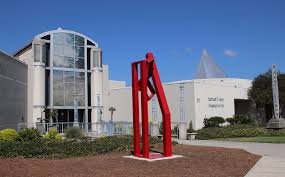
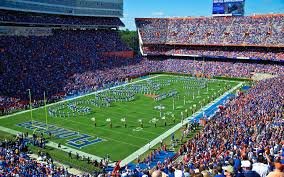
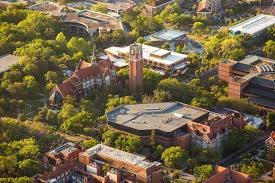
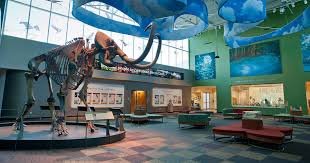
This vibrant city in north central Florida is home to a wide range of attractions. Visit the Florida Museum of Natural History to explore the state’s rich natural and cultural heritage. The Harn Museum of Art features impressive collections from around the world. And the University of Florida brings energy, innovation, and a strong academic presence that shapes much of the city’s character.
Weather is another thing you should know about Gainesville. You can expect warm temperatures for much of the year, with mild winters that make outdoor activities enjoyable in every season. Tree-lined streets, nearby springs, and beautiful natural areas add to the city’s appeal for residents and visitors alike. Florida residents should note that there is no state income tax, which is often considered a financial advantage for many households.
Gainesville has many sites and landmarks that reflect its long and meaningful history. It is widely known as a center for education, medicine, culture, and athletics. Modern development blends naturally with scenic surroundings, creating a city that feels both lively and welcoming. From museums and performing arts to parks and local events, Gainesville offers something for everyone.
We serve the whole of Gainesville FL including these neighborhoods and areas
Abbey Glen, Arbor Greens, Arredondo Estates, Arrowhead, Ashton, Avalon, Bailey Estates, Balmoral, Bartram Woods, Beacon Hill, Beville Heights, Bivens North, Black Acres, Blues Creek, Briarwood, Buchanan Trails, Buck Bay, Buckingham Forest, Cadillac Estates, Cambridge Forest, Canterbury Farms, Carol Estates, Cobblefield, Country Club Estates, Duckpond, Downtown Gainesville, Edgewood Hills, Eloise Gardens, Fifth Avenue, Finley Woods, Fletcher Oaks, Florida Park, Forest Ridge, Gainswood, Gateway Park, Golfview, Grand Central Station, Grand Oaks, Greystone, Haile Plantation, Hamilton Heights, Hibiscus Park, Highland Court Manor, Innovation District, Kenwood, Laureate Village, Lincoln Estates, Longleaf, Midtown, Millhopper, Northeast Gainesville, Northwood Oaks, Northwood Pines, Oak Hill, Oak Park, Oakmont, Oaks Preserve, Palm Grove, Palm Terrace, Pleasant Street Historic District, Ridgewood, Rustlewood, Savannah Station, Shands Woods, Sorrento, South Pointe, Springhill, Sterling Place, Suburban Heights, Sugarfoot, Sugarhill, Sunningdale, Tara Forest East, Town of Tioga, Trailhead Landing, Turkey Creek, University Park, West End, Weschester, Wilds Plantation, Willow Creek, etc.
And also these ZIP codes:32601, 32602, 32603, 32604, 32605, 32606, 32607, 32608, 32609, 32610, 32611, 32612, 32613, 32614, 32627, 32635, 32641, 32653, etc.